Services

Engineering services across the full technical estate.

Fifteen practices grouped into four areas of work. Each description sets out what the service covers, where it is typically applied, what it improves and the outcome it is intended to produce.

  • Custom software development
  • Web application development
  • IT consulting
  • Cybersecurity services
  • Cloud architecture
  • Cloud migration
  • Network infrastructure
  • DevOps
  • System integration
  • Managed IT services
  • Infrastructure monitoring
  • Technical support
  • Data solutions
  • Business process automation
  • Digital transformation

Group 01

Build and integrate

Software delivery and the connective work around it: applications, interfaces, integrations and automation of the processes they support.

Custom software development

Bespoke applications and services built around a specific operational problem, where standard products do not fit the process, the data model or the integration requirements.

Typical use cases

  • Replacing spreadsheets and disconnected internal tools
  • Domain-specific systems with rules no product supports
  • Rebuilding unsupported legacy applications

Key benefits

  • Software shaped to the actual process
  • Full ownership of source and data
  • Documented architecture and tests

Business outcome: A system the organisation controls, can extend, and can hand to another team without rediscovering how it works.


Web application development

Responsive, accessible web platforms and portals — customer-facing or internal — with predictable performance and a clear separation between interface, logic and data.

Typical use cases

  • Client portals and self-service interfaces
  • Internal dashboards and operational consoles
  • Public platforms with authentication and role-based access

Key benefits

  • Accessible interfaces that work across devices
  • Secure session and permission handling
  • Maintainable front-end structure

Business outcome: Fewer manual requests handled by staff, and interfaces that people can use without training.

System integration

Connecting applications, databases and third-party services so information moves reliably instead of being copied by hand between systems.

Typical use cases

  • ERP, CRM and finance system connections
  • Third-party API and partner integrations
  • Event-driven synchronisation between platforms

Key benefits

  • Consistent data across systems
  • Traceable, retryable message flows
  • Reduced manual re-entry and reconciliation

Business outcome: Operational data stays consistent, and integration failures surface as alerts rather than as silent discrepancies.

Business process automation

Automation of repetitive operational work — approvals, document handling, reporting, provisioning — with auditable execution and defined exception handling.

Typical use cases

  • Approval and onboarding workflows
  • Scheduled reporting and data distribution
  • Automated provisioning of accounts and environments

Key benefits

  • Consistent execution with an audit trail
  • Clear handling of exceptions instead of silent failure
  • Staff time returned to non-routine work

Business outcome: Routine processes run the same way every time, and deviations become visible immediately.

Security monitoring workstation displaying protective controls and network telemetry

Group 02

Secure and operate

Protecting systems and keeping them running: security engineering, monitoring, maintenance and support for environments already in production.

Cybersecurity services

Practical security engineering: understanding how a system could be attacked, reducing exposure, controlling access and ensuring an incident can be detected and contained.

Typical use cases

  • Security review before or after a major release
  • Hardening of exposed services and identity systems
  • Preparation for a security audit or customer assessment

Key benefits

  • Reduced attack surface and clearer trust boundaries
  • Access aligned to least privilege
  • Detection and response capability that has been exercised

Business outcome: Known risks are documented and reduced, and the organisation can demonstrate how its systems are protected.

Infrastructure monitoring

Instrumentation of systems so their behaviour is visible: service health, capacity trends, security-relevant events and alerts that correspond to real impact.

Typical use cases

  • Environments with no reliable visibility today
  • Recurring incidents discovered by users first
  • Capacity planning and performance investigation

Key benefits

  • Problems detected before they escalate
  • Alert noise reduced to actionable signals
  • Evidence for capacity and reliability decisions

Business outcome: Operational issues are found and understood internally rather than reported by customers.

Managed IT services

Ongoing responsibility for the day-to-day operation of infrastructure and applications: monitoring, maintenance, patching, backup verification and incident handling.

Typical use cases

  • Organisations without an in-house operations team
  • Internal teams needing coverage and specialist depth
  • Systems that must remain supported after project delivery

Key benefits

  • Predictable maintenance instead of reactive firefighting
  • Documented environments and procedures
  • A defined escalation path for incidents

Business outcome: Stable operations with a clear owner for every part of the estate.

Technical support

Direct engineering support for the systems we operate or build, handled by people who know the environment rather than by a scripted first line.

Typical use cases

  • Escalated issues requiring architectural knowledge
  • Support for internally developed applications
  • Assistance during releases, migrations and incidents

Key benefits

  • Faster diagnosis through existing context
  • Fixes applied at the cause, not the symptom
  • Support activity feeding back into improvements

Business outcome: Disruptions are shorter and recur less often because their causes are addressed.

Group 03

Platform and infrastructure

The foundations everything else runs on: cloud environments, migrations, networks and the delivery automation that connects development to operations.

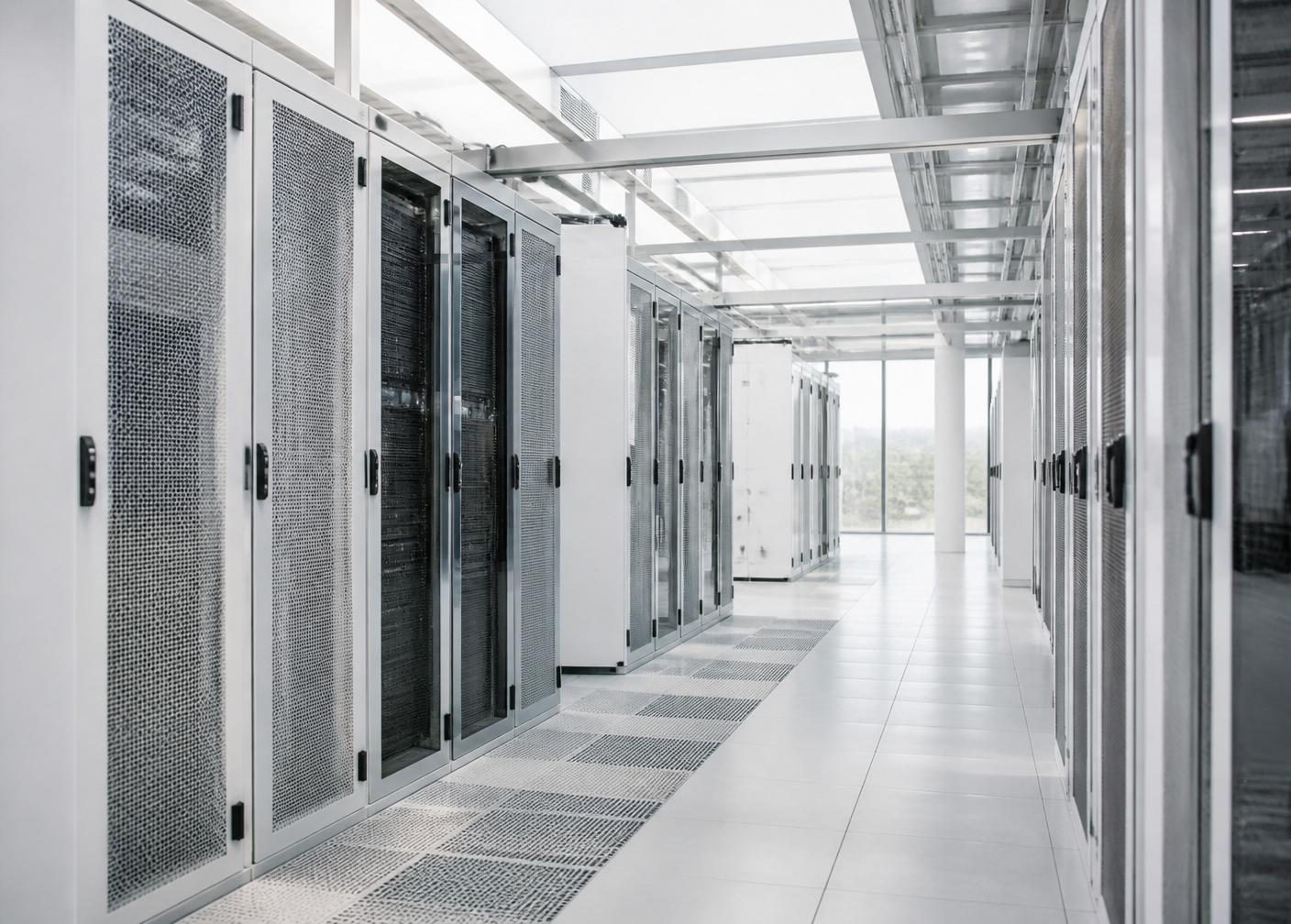
Server racks in a modern, well-organised data centre hall

Cloud architecture

Design of cloud environments with defined account structure, network boundaries, identity model, automation and cost visibility from the outset.

Typical use cases

  • First structured cloud environment for an organisation
  • Restructuring an estate that grew without governance
  • Multi-environment setups for development, testing and production

Key benefits

  • Reproducible infrastructure defined as code
  • Isolation between environments and workloads
  • Understandable and attributable cost

Business outcome: A platform that can absorb growth without a proportional increase in operational risk.

Cloud migration

Moving existing workloads to cloud or hybrid infrastructure in planned stages, with dependencies mapped, data transfer validated and rollback options defined.

Typical use cases

  • Data centre exit or hardware end-of-life
  • Consolidation of fragmented hosting
  • Modernising applications during relocation

Key benefits

  • Migration sequenced to limit disruption
  • Validated data integrity and performance
  • Defined fallback for each stage

Business outcome: Workloads run on supported, scalable infrastructure with reduced dependence on ageing hardware.

Network infrastructure

Design, documentation and improvement of corporate and data centre networks, including segmentation, routing, resilience and controlled remote access.

Typical use cases

  • Flat networks requiring segmentation
  • Multi-site connectivity and secure remote work
  • Undocumented environments inherited from previous suppliers

Key benefits

  • Traffic separated by sensitivity and function
  • Accurate, maintained topology documentation
  • Redundancy where availability requires it

Business outcome: A network that can be reasoned about, defended and changed without unexpected side effects.

DevOps

Delivery automation and operational practice: build pipelines, environment provisioning, release control and the feedback loops that keep deployments routine.

Typical use cases

  • Manual, risky deployment processes
  • Inconsistent environments between stages
  • Teams needing faster and safer release cycles

Key benefits

  • Repeatable, automated releases
  • Environment parity from shared definitions
  • Faster recovery through reliable rollback

Business outcome: Releases become an ordinary, low-drama activity instead of a scheduled risk.

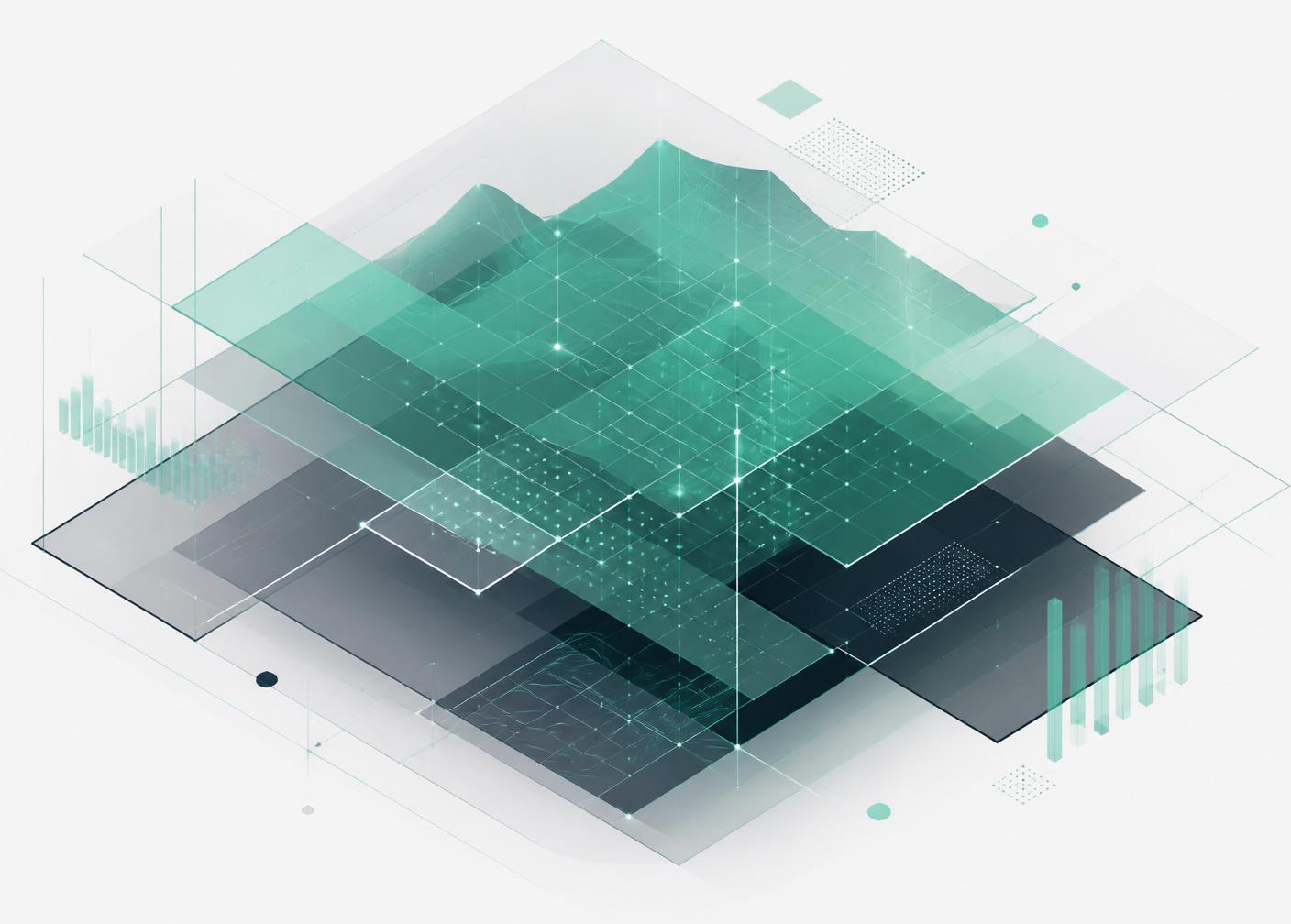
Illustration of structured data layers feeding a reporting model

Group 04

Data, change and advisory

Making information trustworthy, modernising what constrains the business, and providing the independent technical judgement that keeps investment aligned with reality.

Data solutions

Data architecture, pipelines, storage design and reporting foundations that make information reliable, governed and usable for decisions.

Typical use cases

  • Reporting that contradicts itself between departments
  • Consolidating data from multiple operational systems
  • Establishing retention and access rules for sensitive data

Key benefits

  • A defined source of truth for key metrics
  • Documented lineage and transformation logic
  • Access and retention aligned with policy

Business outcome: Decisions are based on figures that can be traced back to their origin.

Digital transformation

Structured modernisation of technology and the processes around it, delivered as a sequence of usable increments rather than a single disruptive programme.

Typical use cases

  • Ageing core systems constraining the business
  • Manual processes limiting capacity
  • Fragmented tooling accumulated over years

Key benefits

  • Each step delivers standalone value
  • Risk contained within increments
  • Internal capability grows alongside the change

Business outcome: A modernised estate the organisation understands and can continue evolving without external dependency.

IT consulting

Independent technical assessment and planning: architecture reviews, security posture evaluation, technology selection and roadmap definition.

Typical use cases

  • Deciding whether to rebuild, refactor or replace
  • Validating a proposed architecture before investment
  • Assessing an inherited or acquired technical estate

Key benefits

  • Findings supported by evidence from the actual systems
  • Trade-offs stated explicitly
  • A prioritised, executable plan

Business outcome: Investment decisions are made with an accurate understanding of the current technical position.

Services are combined into a single engagement with one accountable team.

Most work spans several of these practices. An application project touches cloud and delivery automation; a security programme touches network and operations. We plan engagements accordingly rather than splitting them into disconnected contracts.

White hat · whitehatnetwork.com · mulderruben50@gmail.com